There’s a particular kind of silence that comes from a room no living person has entered in 2,600 years.
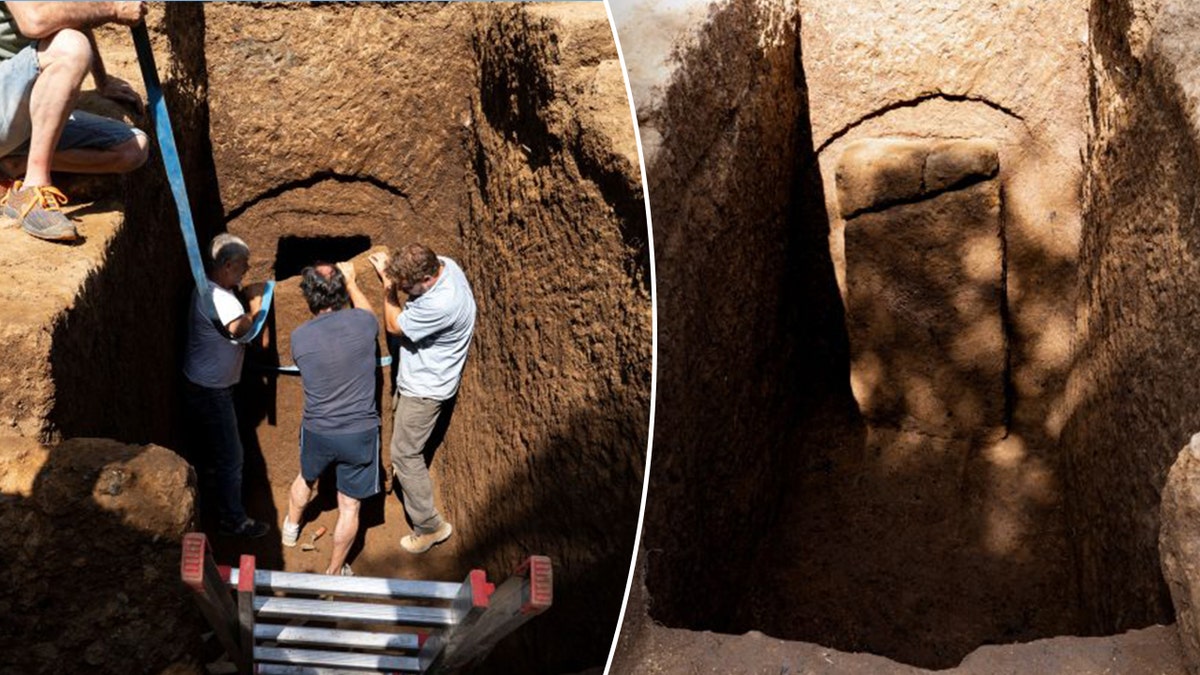
That’s what archaeologists in central Italy say they found when they rolled back the massive stone blocking a tomb at San Giuliano — a second sealed Etruscan burial, opened just a year after the first. Behind the slab, the chamber reportedly sat exactly as it had been left more than twenty-six centuries ago. No looters. No disturbance. Just the dead, their belongings, and the quiet.
Why an untouched tomb is almost a miracle
To understand why archaeologists get emotional about a find like this, you have to understand what usually happens.
Most ancient tombs were robbed long ago — often within a generation or two of being sealed. By the time modern researchers arrive, the treasures are gone and the story is scrambled. An intact tomb is the rarest thing in the business, sometimes compared to an undisturbed Egyptian burial: because no thief ever broke in, every single object still sits where mourners placed it, untouched by time or greed.
That’s what makes San Giuliano so extraordinary. This tomb, reportedly, was never violated. Which means it isn’t just a grave — it’s a perfectly preserved moment.
What was inside
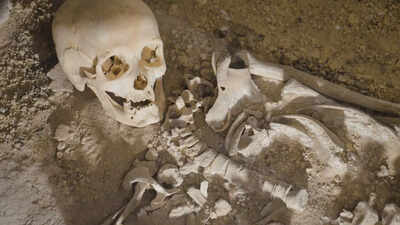
According to the team, the chamber held the remains of at least two people. One of them is thought to be a man — identified, in part, by a spearhead laid beside his body, the kind of grave good that often marks a warrior or a person of standing.
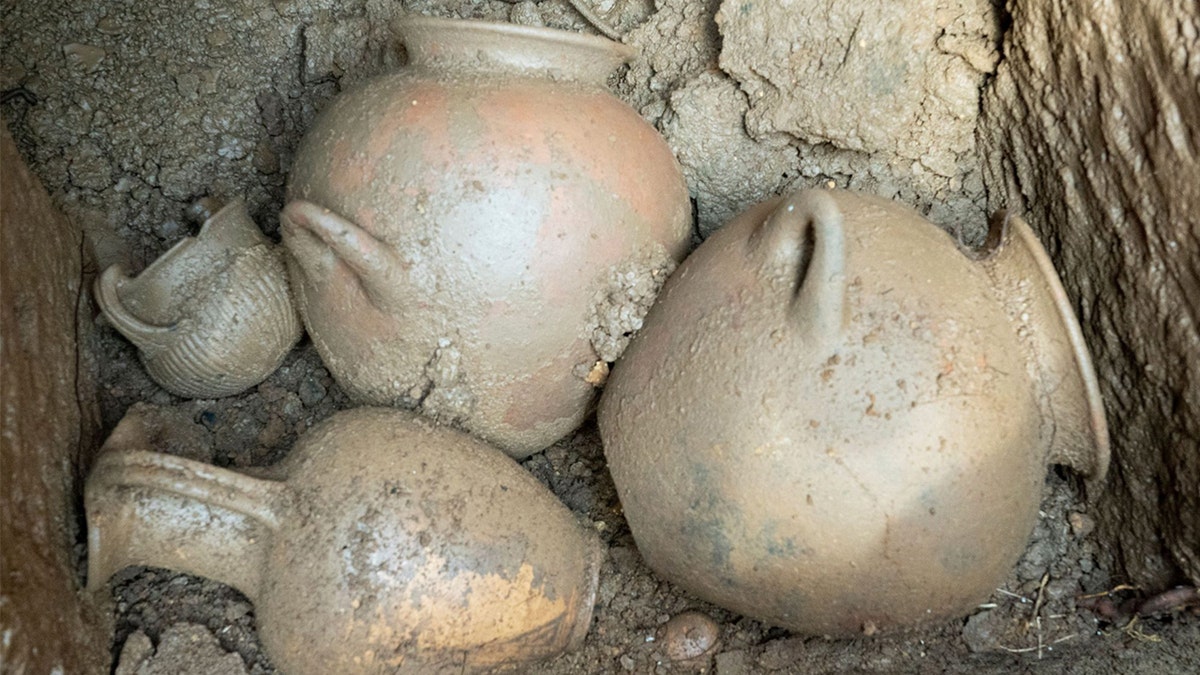
Around them lay the quiet luxuries of an Etruscan farewell: pottery, ceramic vessels, and elegant black bucchero ware — the glossy, almost metallic black pottery the Etruscans were famous for — along with at least one small perfume flask. Each piece placed deliberately, for a journey the living believed the dead were about to take.
For 2,600 years the door stayed shut — and behind it, an entire farewell sat frozen, exactly as the mourners left it.
The mysterious people who built it
Here’s what deepens the intrigue: the Etruscans themselves remain one of history’s great enigmas.
Long before Rome ruled, the Etruscans dominated this part of Italy — skilled, wealthy, artistic. And yet so much about them stays just out of reach. Their language, written in a script we can read but barely understand, has never been fully deciphered. Their origins are still debated. They left dazzling tombs and almost no literature of their own.
So every sealed chamber like this one is more than treasure. It’s a sentence in a story we’re still struggling to translate — a chance to learn how these people lived, worshipped, and said goodbye, from the evidence they left rather than the words they didn’t.
Two tombs in a year — and maybe more to come
What’s making researchers especially excited is that this is the second intact tomb here in barely twelve months. The first was opened in 2025; this one sits right beside it.
Two untouched burials, side by side, in a necropolis long assumed to have been picked clean centuries ago. It raises an irresistible question: if the hills of San Giuliano were hiding these, what else is still down there, sealed and waiting in the dark?
The archaeologists themselves reportedly suspect more burials remain hidden beneath the slopes. The site may only be beginning to speak.
Why it matters
It’s easy to scroll past “another ancient tomb.” But pause on what this really is.
Somewhere around the late 7th century BC, a community carried their dead into the rock, arranged their finest things around them, sealed the door with a heavy stone — and walked away believing they’d done right by them. They could not have imagined that the next people to step inside would arrive 2,600 years later, with brushes and cameras instead of grief.
So here’s the thought to sit with: when this door was last closed, it was meant to stay shut forever. What would those mourners think, knowing we finally opened it — and that their goodbye survived longer than the empire that came after them?