Researchers found tools, jewelry, and unique sculpted animal bones around the central hearth.
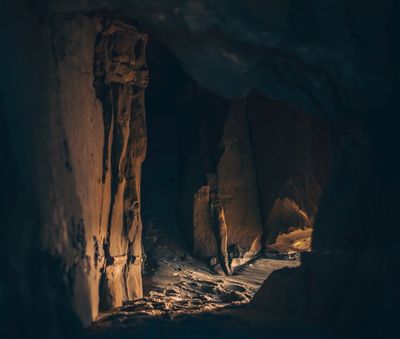
Archaeologists in northern Spain have uncovered what they describe as one of the “best conserved Paleolithic dwellings in the world”. Dated to 16,800 years ago, the living space in the La Garma cave in Cantabria appears almost as it did when its ancient inhabitants abandoned the site, with tools and other artifacts strewn across the floor.
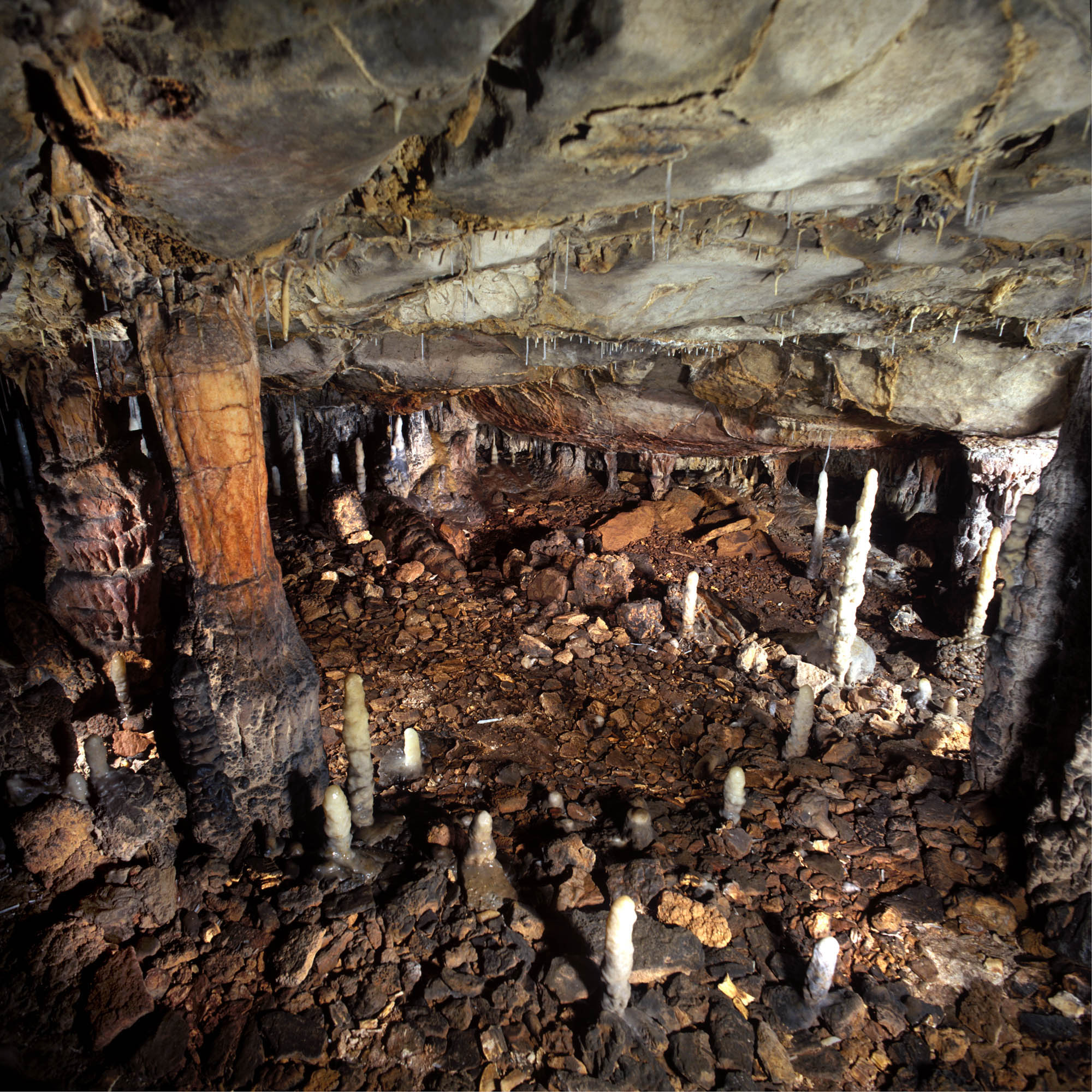
Originally discovered in 1995, La Garma was inhabited by humans throughout the Upper Paleolithic and contains one of the most complete collections of rock art in Europe, spanning the Old Stone Age all the way up to the site’s desertion in the Magdalenian period. It was at this time – around 17,000 years ago – that a rockfall blocked the entrance to the cave, sealing its contents like a prehistoric time capsule.
However, while the main chamber may have been inaccessible for millennia, humans continued to occupy the surrounding caverns, as evidenced by the presence of kitchen middens from the Middle Stone Age, Copper and Bronze Age graves, and Iron Age fort and tombs from both the Visigothic era and Middle Ages. Despite the site’s long history of use, though, the ancient cave dwelling remained undiscovered until now.
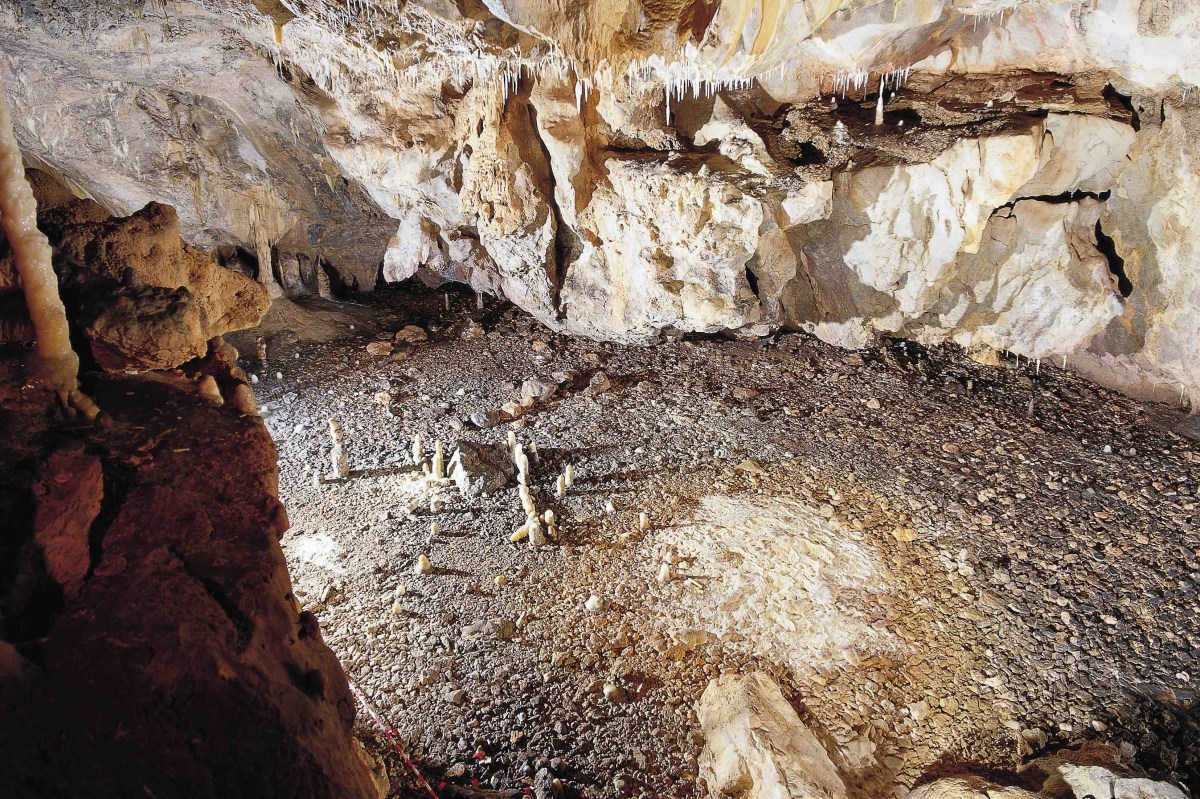
According to the University of Cantabria, the oval-shaped space measures around 5 meters squared (54 square feet) and is delineated by a series of stone blocks and stalagmites, “which fixed to the ground a structure made of sticks and hides supported by a nearby ledge in the cave wall.” In the center of the living space is a hearth, surrounded by a multitude of items that would have been used in everyday life by the cave’s ancient inhabitants.
These include tools used to produce stone, antler and bone artifacts, as well as those utilized during the butchering of animals and the working of hides. Among the 4,614 items retrieved so far, researchers also found spears, needles, and a “proto harpoon”.
In addition to these utilitarian objects, the cave was found to contain a number of artistic pieces, including an aurochs bone engraved with the image of both an aurochs and a human face. According to the researchers, this is the only artifact of its kind ever discovered from Paleolithic Europe.

Pendants that would have been worn by the cave’s inhabitants were also retrieved, with the majority of items being made of deer, horse, and bison bones.
Researchers are currently continuing their excavations and analyses, using a series of non-invasive techniques in order to learn more about La Garma while at the same time ensuring its continued preservation. Further details about their discoveries are due to be announced at a press conference at the National Archaeology Museum in February 2024.