Archaeologists in Gibraltar have opened a hidden chamber inside Vanguard Cave that had been sealed off for at least 40,000 years, preserving surface finds where they fell. The discovery matters because sealed spaces can capture an Ice Age scene with far less of the mixing that usually blurs cave evidence.
What can a single sea snail shell, carried into darkness by human hands, tell us about life on a changing coastline? Quite a lot, especially now that UNESCO and site managers also flag sea level rise and flooding as real vulnerabilities for these sea-facing cliffs.
A room that stayed untouched
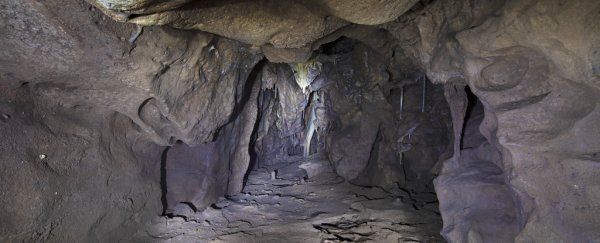
The chamber sits high in the roof at the back of Vanguard Cave and is about 43 feet (13 meters) long. It was found after years of searching for spaces plugged by later sediment, and it stayed sealed long enough to keep the chamber’s floor effectively undisturbed.
Why the seal matters
Open caves are vulnerable to slow chaos, with water, animals, and later visitors shifting artifacts between layers. A sealed chamber reduces those disturbances, which is why Gibraltar researchers describe sand dune sealing as preserving “instant snapshots” of Neanderthal activity.
In practical terms, that means more reliable samples for modern techniques, including micro remains and chemical traces. The official management plan for the Gorham’s Cave Complex emphasizes a deliberate pace that balances excavation with conserving untouched deposits for future methods.
Gibraltar and the late Neanderthal question
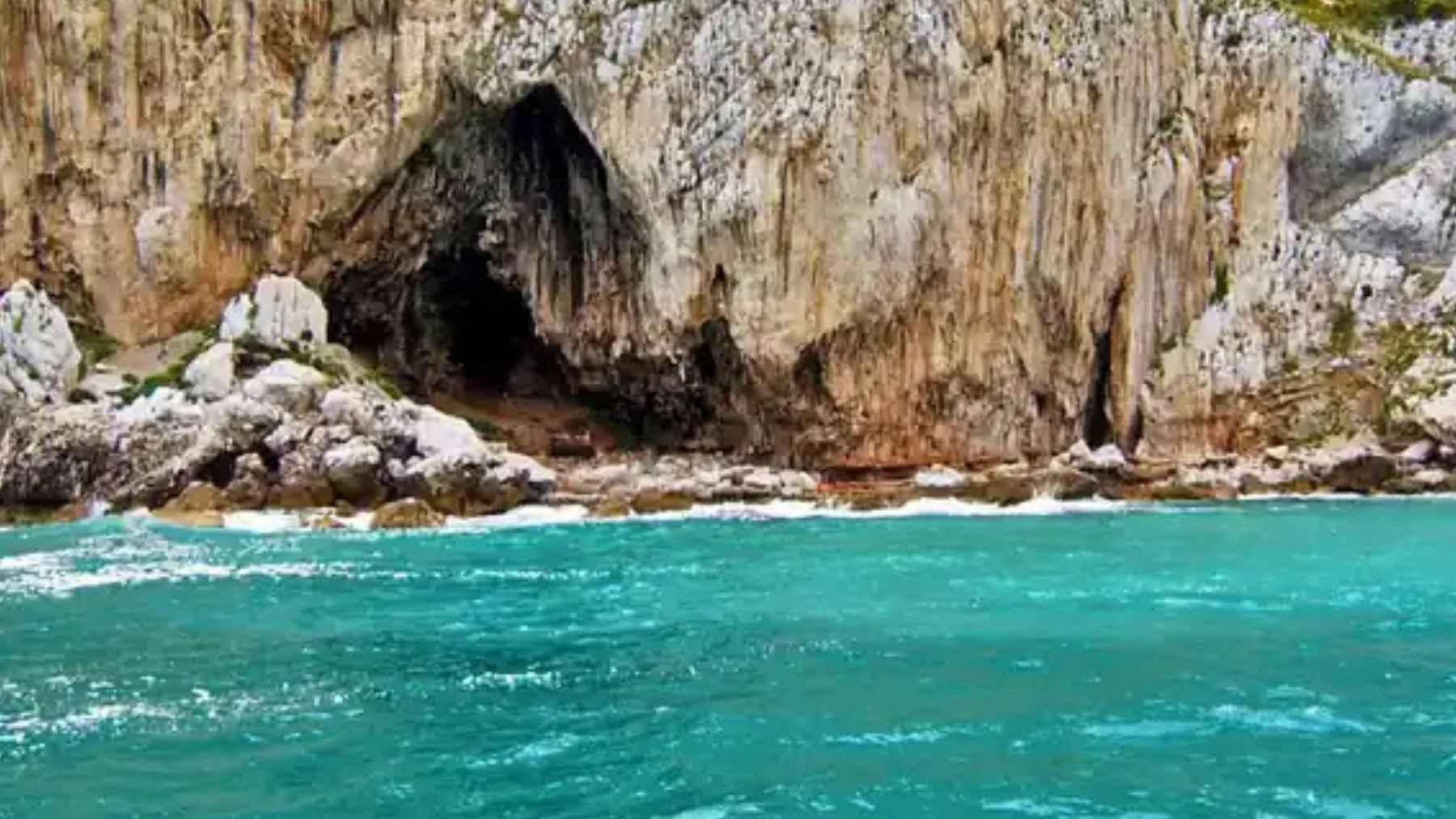
The Gorham’s Cave Complex includes Gorham’s, Vanguard, Hyaena, and Bennett’s caves, and UNESCO lists it for preserving extensive evidence of Neanderthal occupation and environmental change across about 100,000 years.
The World Heritage description highlights rare evidence of using birds and marine resources, and rock engravings dated to more than 39,000 years ago.
A long-running debate centers on how late Neanderthals may have persisted here compared with the rest of Europe. A 2008 Quaternary International paper reported 22 accelerator mass spectrometry dates from a Neanderthal-associated level at Gorham’s Cave and argued for late occupation between roughly 33,000 and 24,000 years before present.
Not everyone agrees with those timelines, and even supporters acknowledge how hard it can be to date complex cave layers. The sealed Vanguard chamber will not settle the argument by itself, but it could help by providing fresh material in a well-controlled context.
A coastal pantry and a diverse landscape
Gibraltar also complicates the idea that Ice Age people lived far from the sea. A 2016 Quaternary International study on marine mollusks notes Gorham’s Cave stayed within about 1.2 miles (2 kilometers) of the coastline during the period discussed, and it preserves evidence of shellfish use for food.
On land, researchers have described a highly varied mosaic that likely helped sustain people through shifting conditions. The 2008 Gorham’s analysis lists multiple amphibian, reptile, bird, and large mammal species in the Neanderthal-associated level, along with intertidal mollusks, pointing to a landscape with open ground, wooded patches, and accessible shorelines.
The Gorham’s Cave complex in Gibraltar preserves evidence of Neanderthal life along an Ice Age Mediterranean coastline.
When climate took a hard turn
Even a refuge can fail when the climate swings toward extremes. Researchers have linked Heinrich event 2, a cold and very dry interval around 25,500 to 22,500 calibrated years before present, to the final disappearance of Neanderthals from the Gibraltar region.
Just as important, the cave sequence does not show clear evidence of direct contact or competition between Neanderthals and modern humans in Gibraltar at that moment. With the evidence available so far, environmental stress remains a leading explanation, but the timeline question is still open.

Plants, tar, and ancient chemistry
The ecology story is not only about diet, but also about materials. A 2024 Government of Gibraltar statement describing a Quaternary Science Reviews study reported a simple pit-like structure in Vanguard Cave used to produce tar from plant resins under low-oxygen heating, then used as adhesive for hafting stone points onto wooden shafts.
The same statement says analyses suggest the tar came from gum rockrose (Cistus ladanifer), a shrub that would have been common in this Mediterranean setting, and that sand sealing preserved pollen and spores. It also describes hunting grounds on a now submerged coastal shelf extending up to about 2.8 miles (4.5 kilometers) from the caves.
Protecting an archive as seas rise
The irony is hard to miss, because the sea that shaped these caves is also a modern threat, the same way storm surge can overwhelm a familiar waterfront. UNESCO warns that the site is vulnerable to sea level rise, flooding, and other climate change effects, which is why monitoring and controlled access are core to management.
The management plan notes that major portions of deposits remain unexcavated, including about 70% at Gorham’s, 90% at Vanguard, and all of Bennett’s, and it estimates the site’s research potential could last at least 800 years at the current pace. Slow science may not sound exciting, but it is often how you keep a priceless archive intact.