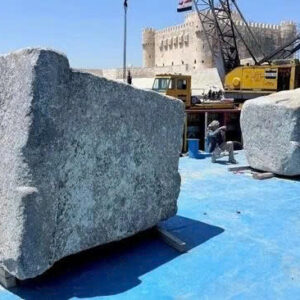
Is the curse in the ancient tomb, which “will punish anyone who dares disturb the king’s sleep,” real?
The Curse of Chief Tecumseh
In the mid-20th century, American media began to record a pattern regarding the deaths of U.S. presidents . Beginning with William Henry Harrison and ending with John F. Kennedy, one president would die while in office every 20 years. William Henry Harrison, the first U.S. president to die while in office, was elected in 1840.
Other presidents who died while in the White House include Abraham Lincoln, elected in 1860 (and 1864); James A. Garfield, elected in 1880; William McKinley, elected in 1900; Warren G. Harding, elected in 1920; Franklin D. Roosevelt, elected in 1940 (as well as other years such as 1932, 1936 and 1944); and JFK, elected in 1960.
The only president from William Henry Harrison to JFK who deviated from this pattern was Zachary Taylor, who was elected in 1848 and died in 1850.
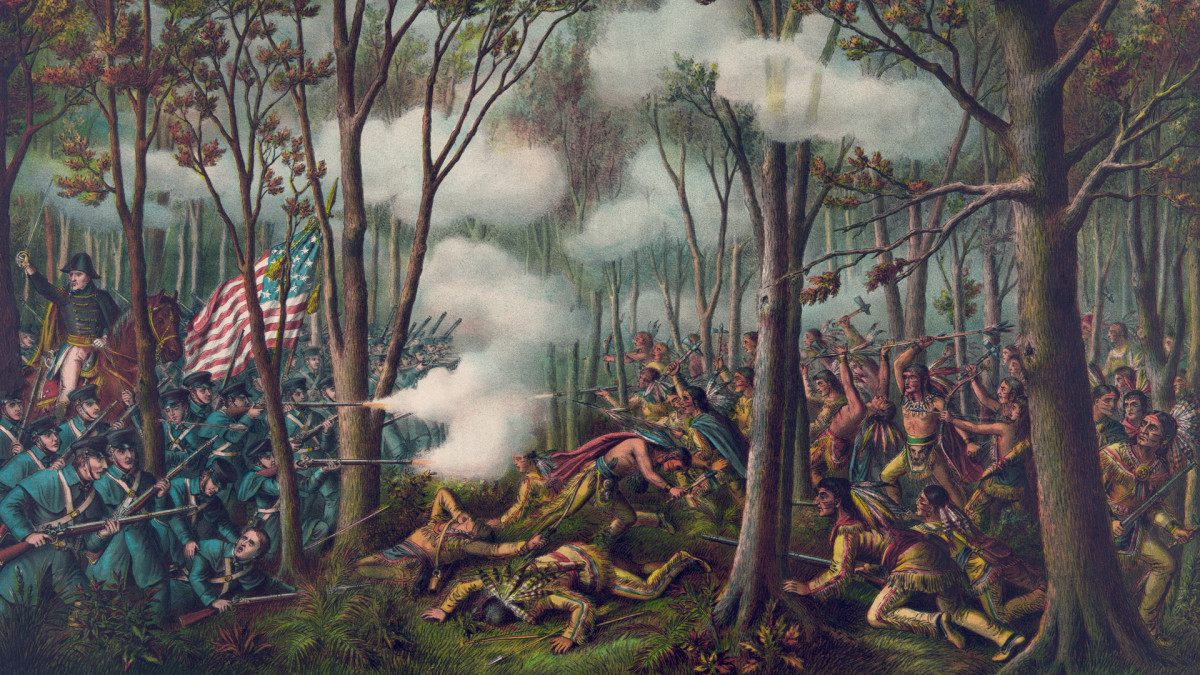
The Battle of Tippecanoe, where General Harrison fought Chief Tecumshe on November 7, 1811. Source: Glasshouse Vintage / Universal History Archive / Getty Images
In the 1930s, Ripley’s Believe It or Not claimed the “pattern” was due to a curse that Chief Tecumseh (1768-1813) – the leader of the Shawnee tribe and a coalition of tribes against the United States in the Tecumseh War and the War of 1812 – placed on President William Henry Harrison and future American presidents after Harrison’s army defeated Tecumseh at the Battle of Tippecanoe in 1811.
Chief Tecumseh died two years later in another battle against Harrison’s army.
The Curse of King Tut
In February 1923, a team of British archaeologists opened the tomb of Tutankhamun, or “King Tut”—a pharaoh of Egypt from the 14th century BC.
Two months after entering the tomb, a member of the archaeological team died from a bacterial infection, and the British press at the time claimed, without evidence, that he died from “the curse of King Tut”.
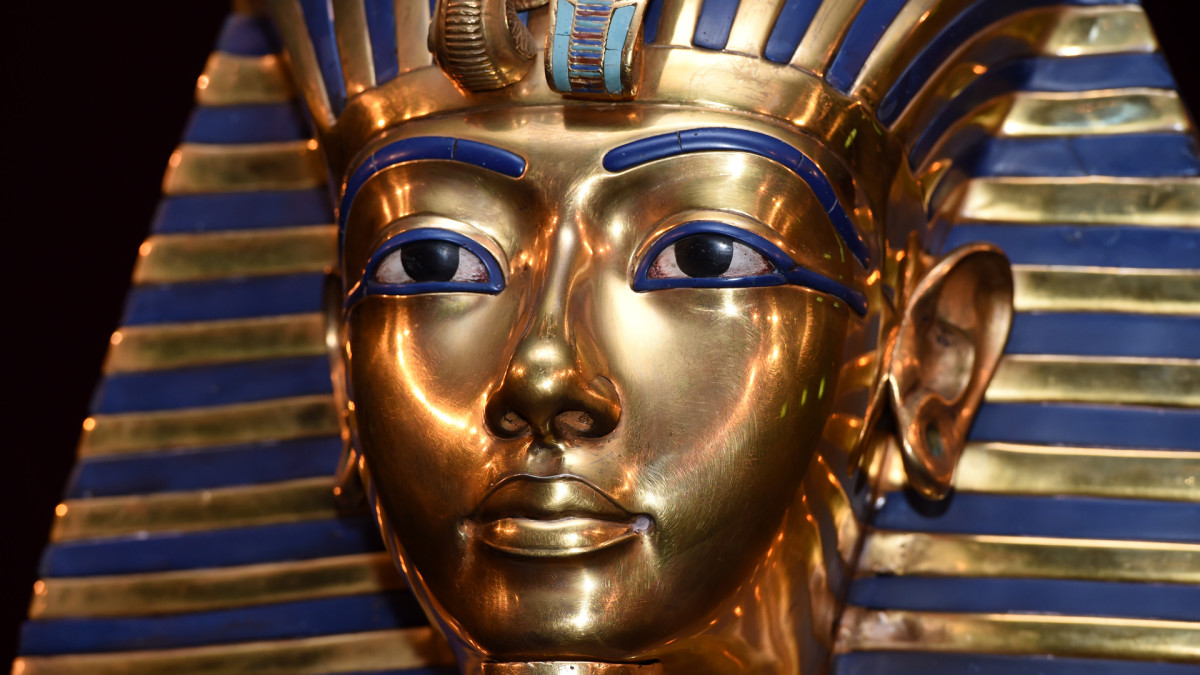
Burial mask of Egyptian Pharaoh Tutankhamun. Source: Hannes Magerstaedt / Getty
“The Curse of King Tut” and other famous mummy curses were created by Europeans and Americans while they themselves were taking priceless artifacts from Egypt.
After the Titanic sank in 1912 , some newspapers even promoted the conspiracy theory that the ship sank because of the “curse of the mummy”.
Although it’s unclear how many people actually believed in these “curses,” stories revolving around this theme became a popular inspiration for horror films such as “The Mummy” (1932), “Mummy’s Boys” (1936), and “Abbott and Costello Meet the Mummy” (1955).
The Curse of the Polish King’s Tomb
In 1973, a group of archaeologists opened the tomb of the 15th-century Polish king Casimir IV Jagiellon in Kraków, southern Poland. Like the opening of King Tut’s tomb 50 years earlier, the European media sensationalized the event, and the researchers involved were accused of risking a curse upon the tomb after opening it.
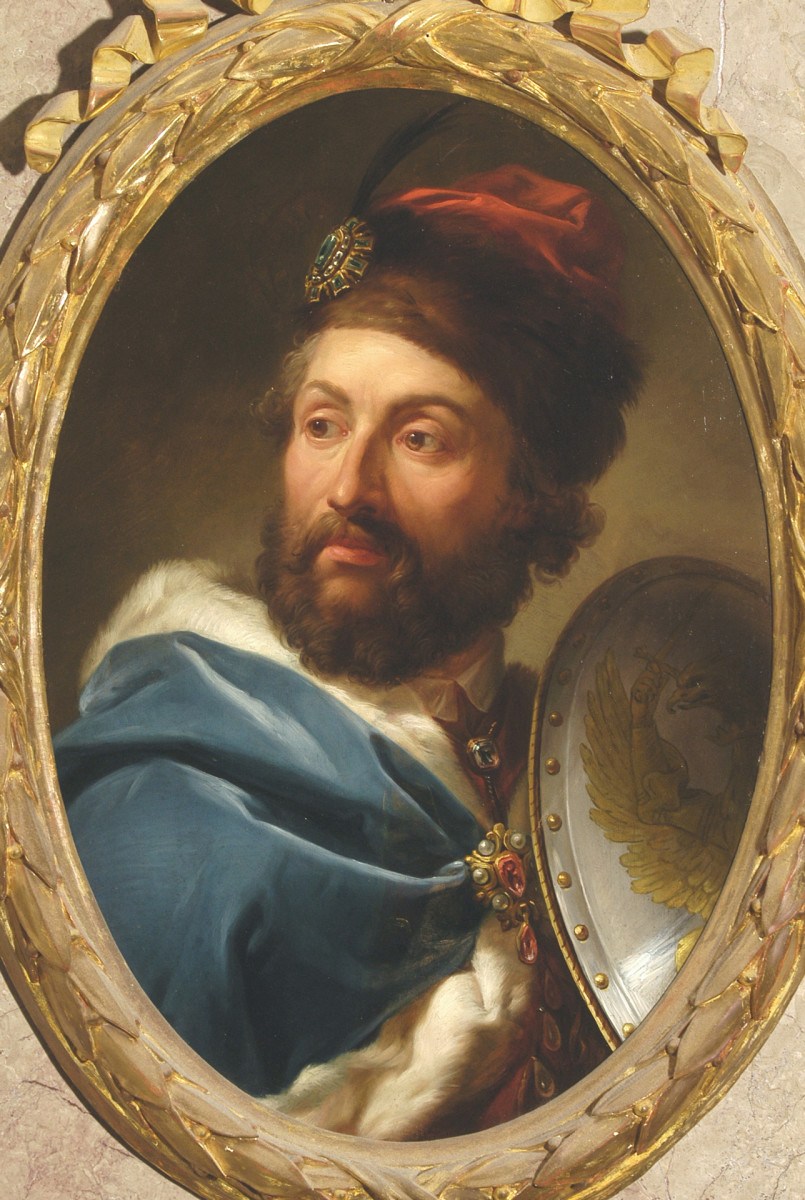
King Casimir IV Jagiellon. Photo: Getty
Coincidentally, several members of the archaeological team began dying mysteriously. The media then seized the opportunity to “blame” the curse on the tomb – that it would punish anyone who dared disturb the king’s slumber.
Later, experts discovered traces of deadly fungi inside the tomb that could cause lung disease when inhaled. This was the cause of their deaths.
The Curse of the Hope Diamond
In the 1660s, the French gem merchant Jean-Baptiste Tavernier purchased a large diamond of unknown origin during a trip to India. However, in the 20th century, a bizarre story emerged in America and Europe claiming that Jean-Baptiste Tavernier had stolen the diamond from a statue of a Hindu goddess.
Newspapers and jewelers of the time spread the story that the diamond was cursed and brought bad luck to its owners.
By 1839, the diamond was believed to be in the possession of Henry Philip Hope, a Dutch collector living in London (England). This is how the diamond came to be known as the Hope Diamond.
Later, the European and American press began to suggest that the Hope Diamond carried a curse.
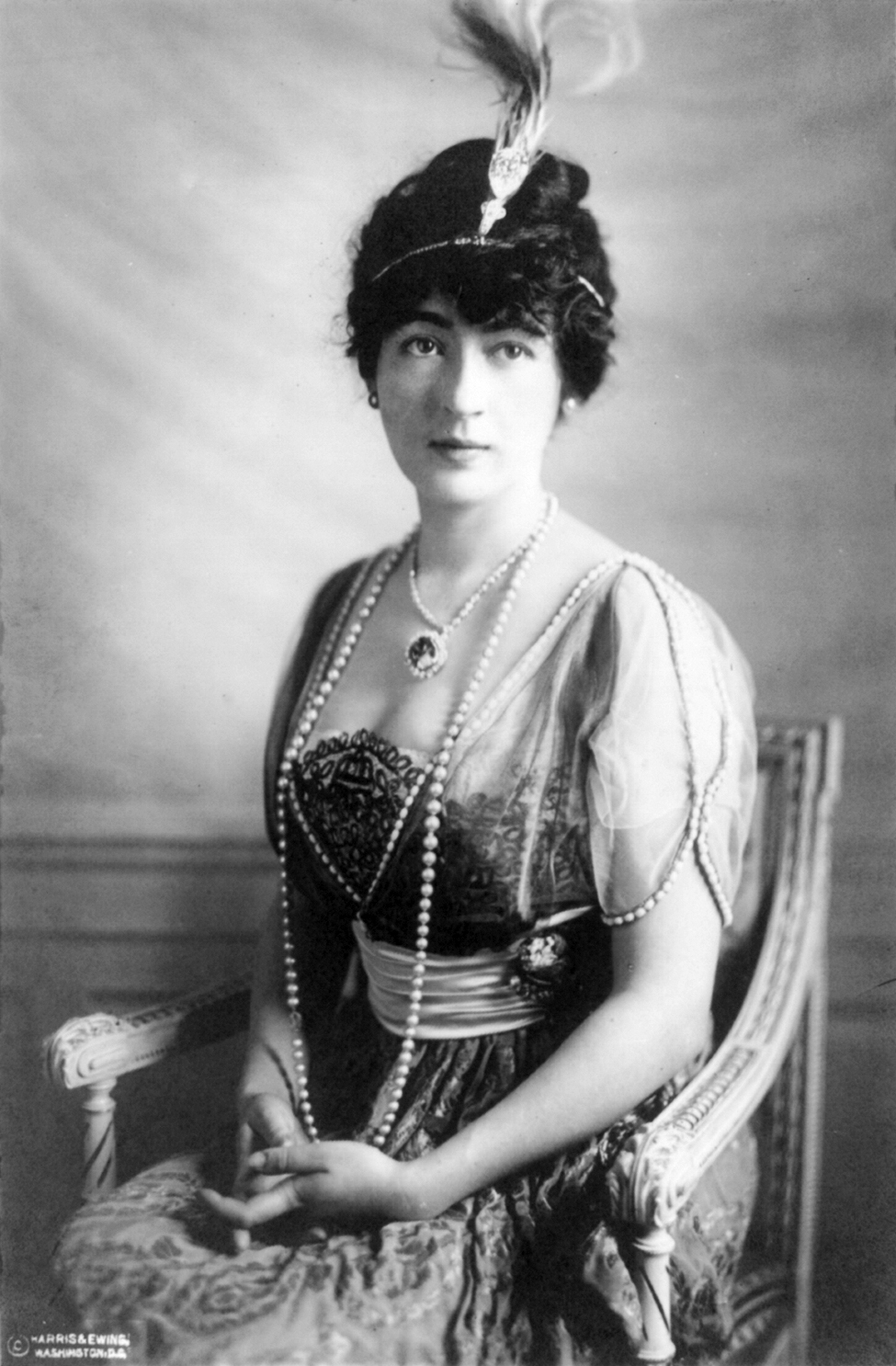
Evelyn Walsh McLean, one of the owners of the famous Hope Diamond, photographed in 1915. Source: Getty
The French jeweler Pierre Cartier is believed to have used these stories to increase the diamond’s value when he sold it to American heiress Evelyn Walsh McLean in the early 1910s.
After her death, it was transferred to an American jewelry company, where it was displayed before the Hope Diamond was donated to the Smithsonian Institution in 1958, where it remains to this day.